
How to Pack Like a Pro: Lisa's Guide to Traveling Light and Traveling Smart
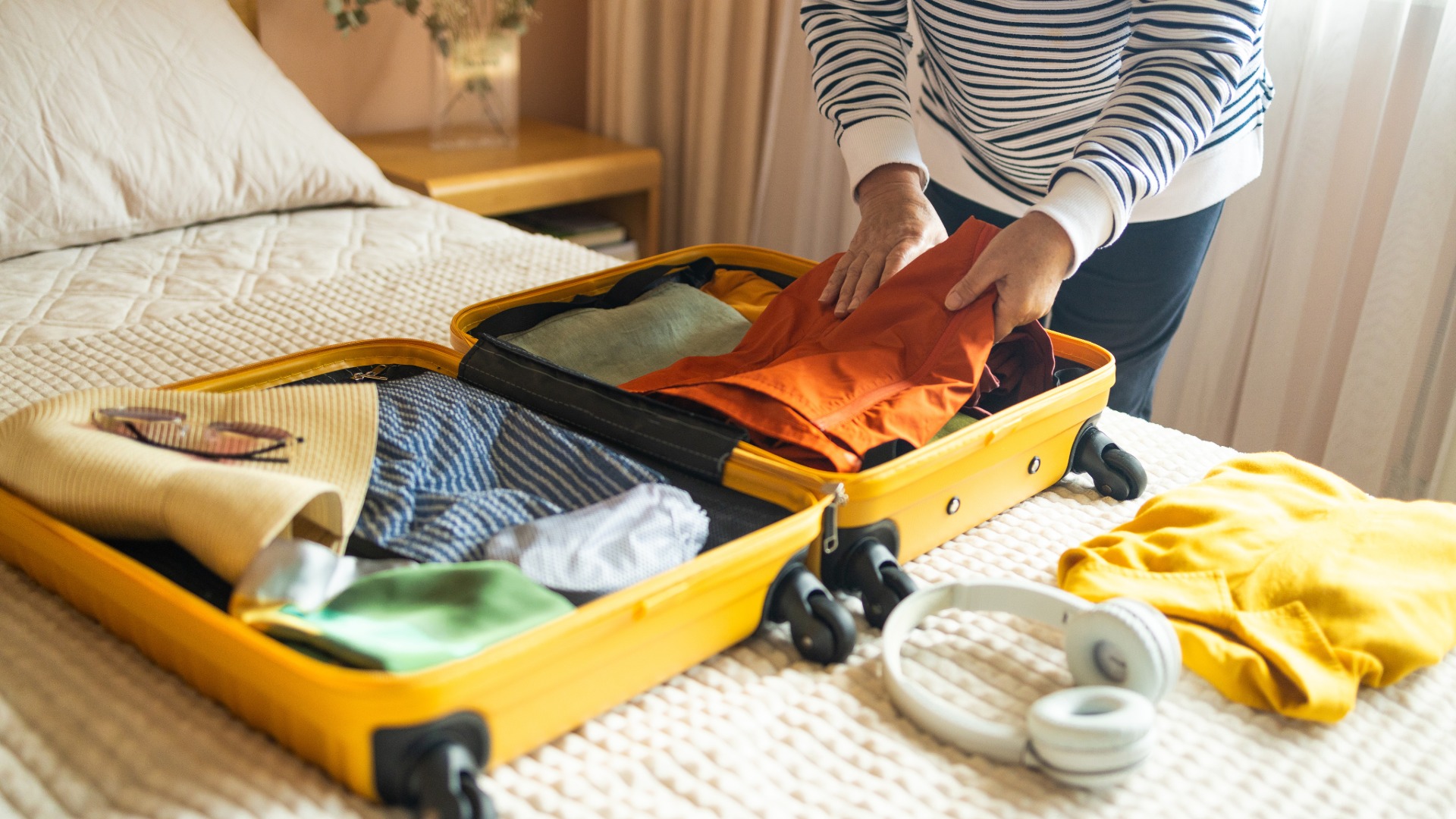
I have been on more trips than I can count. International tours, domestic adventures, long weekends, and two-week journeys through multiple countries. And if there is one thing I have learned from watching thousands of travelers arrive at their first group departure, it is this: almost everyone packs too much.
I get it. There is a certain comfort in having options. What if the weather changes? What if there is a nice dinner? What if I need a different pair of shoes? The mental checklist grows, the suitcase fills, and by the time you are dragging two bags through an Italian cobblestone street or trying to lift a heavy case onto a luggage rack or up a few stairs, you are already regretting every item you added just in case.
This is the packing guide I give to Prime Tours' travelers before every trip. It is not about roughing it or going without. It is about being comfortable, prepared, and genuinely free to enjoy the experience rather than manage your luggage.
Start Before You Start Packing
The most important packing decisions happen before you open a suitcase.
Read your itinerary carefully. Know which cities you are visiting, what activities are scheduled, how much walking is involved, and what the weather will likely be. Check whether any evenings call for something slightly dressier than casual. Look at how many nights you will be away and whether there will be opportunity to do laundry if needed on a longer trip.
The itinerary is your packing guide. Every item in your bag should connect directly to something on it. If you cannot point to a specific day or activity that justifies bringing something, it probably does not need to come.
Also, before you think about clothing or toiletries, take care of a few things that have nothing to do with what goes in your bag. Arrange care for any pets or plants at home. Make sure your passport is valid and will remain valid for at least six months beyond your travel dates. If your trip requires a travel visa or a UK Electronic Travel Authorization, get that sorted well in advance. Download any books, podcasts, or movies you want for the flight. Refill your prescriptions so you have enough to last through the trip. Handle your foreign currency or notify your bank before you leave. These are not packing tasks, but they belong on your pre-departure list, and forgetting any of them can derail a trip far more than a missing pair of socks.
Choose the Right Luggage First
Your luggage choice shapes everything that follows. Here is what I look for and recommend.
One suitcase. Not two. This is probably the most important rule I can give you. Two bags means double the lifting, double the dragging, double the time at baggage claim, and double the risk that something gets lost. A single well-chosen carry-on or checked bag plus a lightweight personal item that fits under the airplane seat is the right setup for the vast majority of trips.
When it comes to the bag itself, look for four dual swivel wheels rather than two fixed wheels. The ability to roll a bag at your side without tilting it makes an enormous difference over the course of a trip. A sturdy handle that does not wiggle is equally important. Soft-sided bags tend to hold up better than hard-sided ones over time and also compress slightly to fit into tighter spaces. And if your personal item is a backpack or tote, look for one with a sleeve or attachment that lets it slide over the handle of your rolling bag. Navigating an airport with one hand free is a very different experience from juggling multiple separate bags.
A luggage scale is worth keeping in your bag at all times. Airline weight limits are real, and finding out your bag is three pounds over at the check-in counter is a stressful and sometimes expensive situation that is entirely preventable.
Pack Clothes That Work Together
This is where most overpacking happens, and where a little planning goes a long way.
Think in layers and combinations rather than in outfits. A handful of neutral base pieces that mix and match with each other gives you far more usable combinations than the same number of complete, pre-matched outfits. Layers are your friend in almost any climate, because they let you adjust to changing temperatures throughout the day without adding bulk to your bag.
Limit shoes. This is the advice that gets the most resistance and causes the most regret when ignored. Shoes are heavy, they take up disproportionate space, and most travelers end up wearing the same comfortable pair for 90 percent of the trip anyway. Wear your bulkiest pair on travel days and pack one or at most two additional pairs.
Wear layers on the airplane. Put your coat on rather than packing it, and use the coat's pockets for your scarf, hat, and gloves rather than letting them take up suitcase space. You arrive with a lighter bag, and you are comfortable on the plane.
Build a Go Bag and Keep It Ready
One of the best habits I have developed over years of travel is what I call a go bag: a small collection of travel-sized essentials that stays packed and ready to go between trips.
The idea is simple. Rather than gathering your toiletries, over-the-counter medications, and personal care items from scratch before every trip, you keep travel-sized versions permanently stocked in your luggage and ready. When a trip comes up, you are already most of the way packed.
What goes in it? Travel-sized toiletries and personal care items. Over-the-counter medications you regularly rely on, including something for stomach upset, pain relief, cold symptoms, and anything else your body tends to need when it is tired and far from home. An umbrella small enough to fit in your bag. Your luggage scale.
For flights specifically, I also keep a small in-flight kit: an eye mask, ear plugs, and a charging cord. Flights are often long, overnight international trips even more so, and arriving rested matters more than most people give it credit for.
Pack the Pharmacy, Not Just the Wardrobe
This is a category travelers chronically underpack, and they always regret it.
Hotels in other countries do not stock American over-the-counter products. Pharmacies may be difficult to find, may not carry what you are used to, and may not have staff who speak English. A small personal pharmacy tucked into your bag solves all of that.
Include whatever you know your body needs when it is stressed, fatigued, or exposed to new environments. Digestive remedies, pain relievers, antibiotic ointment, bandages, cold medication, and any vitamins or supplements you take regularly are all worth bringing. Prescription medications always travel in your carry-on, never in checked luggage.
A few personal comfort items round out the list: your preferred sweetener or coffee creamer if you are particular about your morning coffee, a refillable water bottle, a travel pillow, and ear plugs. These are small items that take up almost no space and make a genuine difference in how you feel over the course of a long trip.
Safety Starts in the Suitcase
A few simple packing habits make a real difference in keeping your belongings and yourself safe while traveling.
Keep copies of your passport, driver's license, and credit cards, both paper copies stored separately from the originals and photos saved to your phone. If something is lost or stolen, having that information on hand makes the recovery process much faster.
Never travel with only one credit card, and do not keep all your cards in the same place. If you are traveling with a partner, split them between you. If you are traveling solo, keep a backup card in a different bag or a body wallet worn close to your body. Do the same with cash.
Apple AirTags or similar luggage trackers are worth adding to every checked bag. They cost very little and give you real-time information about where your luggage is, which is useful at baggage claim and incredibly valuable if a bag goes missing.
Leave expensive or sentimental jewelry at home. The risk is real, and no piece of jewelry is worth the anxiety of worrying about it throughout a trip.
Different Trips, Different Lists
One final piece of advice that I always share with travelers: your packing list should be a living document.
A domestic weekend trip to Cincinnati looks very different from a ten-day international tour of Scotland. A beach cruise requires different clothing than a winter holiday adventure. Rather than starting from scratch every time, keep a base packing list and maintain separate versions for different types of travel, adjusting for destination, weather, duration, and activity level.
Update your list after every trip. If you brought something you never used, note it. If you wished you had something you did not pack, add it. Over time your list becomes a perfectly calibrated guide that reflects exactly how you travel, and packing for a trip becomes a much calmer and more confident process.
FAQs
Commonly asked questions about Tours or Travelling with Prime Tours
One carry-on or checked bag plus a lightweight personal item is the right setup for most group tours. Overpacking creates unnecessary weight, slows you down, and adds stress at airports and during transfers. A well-edited bag with mix-and-match clothing layers gives you more flexibility than a heavy one full of separate outfits.
Look for a lightweight bag with four dual swivel wheels, a sturdy handle, and a soft-sided construction. A personal item with an attachment sleeve for your rolling bag handle keeps your hands free and makes airport navigation significantly easier.
All prescription medications should always travel in your carry-on rather than checked luggage. Also include your travel documents, a phone charger, any valuables, and the essentials you would need if your checked bag were delayed.
Yes. Over-the-counter medications are not always easy to find at your destination, and having your preferred remedies on hand makes a real difference when you are fatigued or your body is adjusting to a new environment. Include digestive remedies, pain relievers, cold medication, antibiotic ointment, and bandages at minimum.
Yes. Prime Tours provides every traveler with a detailed Know Before You Go document before international departures, covering destination-specific packing guidance, weather, currency, electrical adapters, and more. A pre-departure Zoom session is also hosted for major trips so travelers can ask questions directly.
Make copies of your passport, driver's license, and credit cards, both paper and digital. Carry backup payment methods and split them between different bags or travel companions. Consider a luggage tracker for checked bags. Leave valuable or sentimental jewelry at home.
The Prime Tours Difference
When you travel with Prime Tours, a lot of the pre-trip logistics that usually create stress are already handled for you. You receive a detailed Know Before You Go document well in advance of your departure covering everything from what to pack for specific destinations, how much local currency to carry, what electrical adapters you need, and how to prepare for the accommodations and climate you will encounter. We host a pre-departure Zoom session where you can ask questions directly. Our team is reachable before and throughout the trip.
We think of everything so that your energy can go toward the experience of travel rather than the management of it. Your job is to show up packed, prepared, and ready to enjoy everything we have planned.
Browse our current tours at goprimetours.com/current-tours or reach out at info@goprimetours.com or 614-766-5553. We would love to help you plan your next trip.